

Isabelle Norconk, Marriage and Family Therapist Associate
Weight is most commonly understood as mass that exerts a downward pressure, a visible, physical, measurable, tangible thing.
What happens when weight becomes more abstract or invisible but no less heavy? That is the kind of weight that many women carry as they become responsible for tasks that may seem inevitable or innate but actually require an immense amount of time, cognitive, and emotional labor.
Though it cannot be seen, it accumulates and its impact is real. Shining a spotlight on invisible labor is the first step towards better understanding how it affects women’s mental and physical health to reduce stigma and begin to redistribute the load more evenly.
Visible vs Invisible Labor
Visible Labor
Anything that is tangible, easily identified, and produces a result. For example: working at a job, cooking dinner, shopping, or mowing the lawn. (I will include a caveat, even visible domestic labor, such as cleaning or cooking, is often undervalued or taken for granted)
Invisibile Labor
The mental, emotional, and logistical effort that goes into caretaking, planning, organizing, coordinating, scheduling, supporting, tracking, managing, and maintaining tasks and relationships. Each individual task, and it’s parts, may appear straightforward but in reality requires 4 separate “invisible”actions: anticipating other’s needs, identifying options, making a decision, then monitoring progress/success. This cycle then repeats endlessly.

Why Women?
Gender plays an important role in how society assigns, perceives, and values the weight of certain labor.
A common stereotype about invisible labor is that it is “light” or simply something women are naturally better at.
The children’s school activities, holidays and celebrations organized, social relationship upkeep, and household operations have been mainly conducted by women.
Research shows that even in dual-income households, women continue to carry the invisible labor. At the same time, men are more likely to perceive the division of labor as equitable.
This gap in perception can create tension, misunderstanding, and resentment. The behavior is often learned starting in childhood.
Girls observe and internalize expectations about caretaking, emotional management, and responsibility. Over time, these expectations become normalized.
Workplace inequity, racial disparity, immigration stress, and economic instability can further increase the mental load, forcing some women to navigate systemic barriers while also managing family responsibilities, intensifying the strain.
Mental Impact
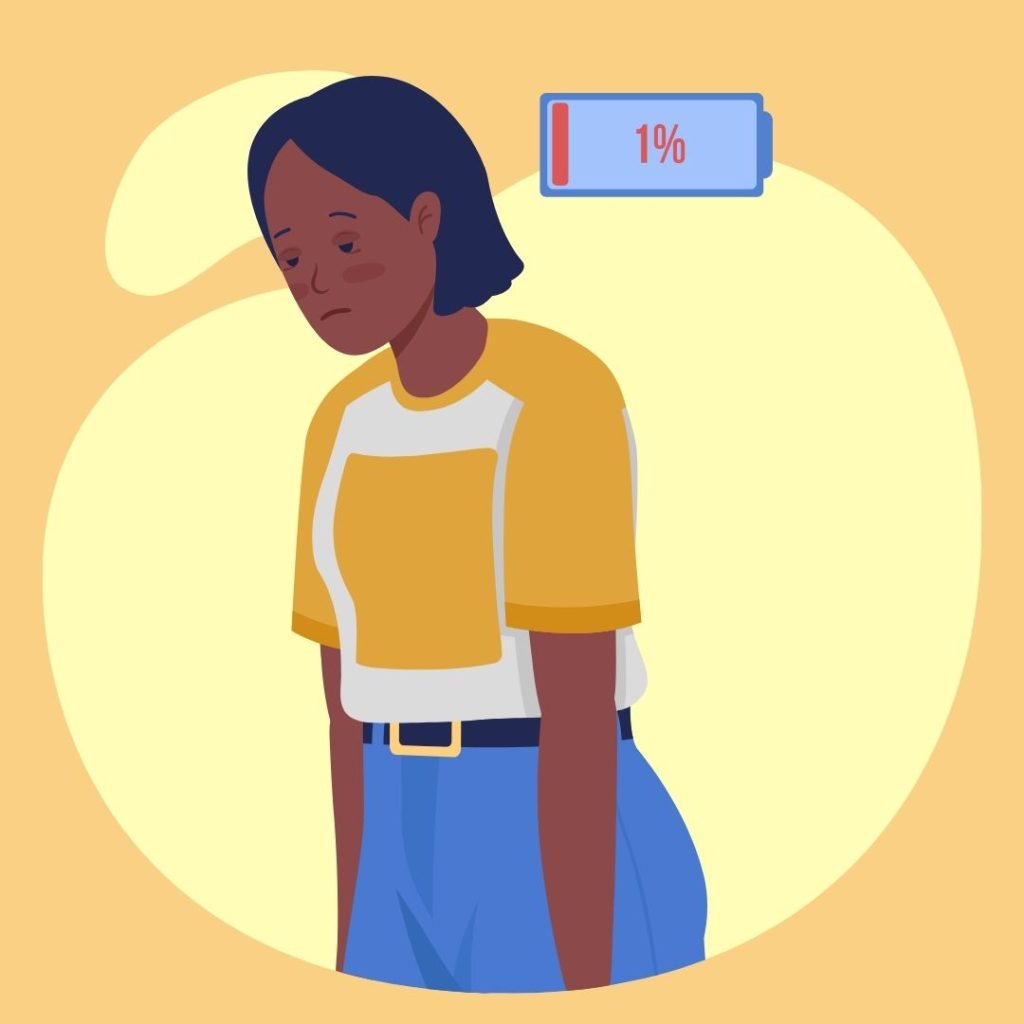
The mental load of invisible labor is particularly draining because it has no clear endpoint. Unlike a task that can be checked off a list, the responsibility to anticipate and monitor never fully turns off.
Many women describe feeling constantly “on” even during moments of supposed rest their minds scan: “What needs to be done next?”, “Did I forget something?”, or “How will this affect everyone else?”.
When invisible labor goes unnoticed, undervalued, or unappreciated, it can become isolating and negatively impact mental health.
Women may experience:
- Chronic stress
- Burnout
- Anxiety or depression
- Decision fatigue
- Overwhelm
- Difficulty concentrating
- Poor sleep
- Physical health concerns
- Relationship resentment
- Feeling disconnected from themselves or others
The burden often becomes cyclical. As mental or physical health declines, keeping up with invisible labor becomes harder, which then creates more pressure, guilt, and exhaustion.
Ways to Reduce the Load
- Increase Awareness: Start by identifying, acknowledging, and validating the invisible labor you carry. Write it down if helpful. Notice both its positive contributions and its personal cost. Ask yourself: Is this sustainable? Where am I overextended?
- Set Boundaries: Not all invisible labor must belong to you. Practice saying “no” to responsibilities that you can let go of. Allow others to take ownership of their needs. Begin with small shifts and gradually move toward larger, more challenging conversations.
- Take Care of Yourself: Prioritize taking care of your needs first! Reflect on basic needs like safety, sleep, food/water, hygiene, friendship, support, and sense of belonging. Start incorporating self-care habits and check-ins.
- Shine a Light: talk to your family, friends, partner, spouse about the invisible labor that you do. As with all communication, try using ‘I statements..’ focusing on your feelings and how it’s impacting you. Brainstorm together on ways to reduce the weight and tackle invisible labor together as a team.
Invisible labor, so often carried by women, is a heavy burden to carry.
It is taxing to journey through life dragging a weight that goes unseen by others or even by ourselves.
That is why it is necessary to expose that weight, to acknowledge and validate its presence, so that the weight can be more evenly divided and reduced.

Isabelle Norconk, MA is a Marriage and Family Therapist Associate who specializes in helping individuals and families navigate stress, trauma, and difficult life transitions. Her collaborative approach integrates structural and somatic therapies to help women understand the mind-body connection and the “invisible weights” of modern life. Committed to inclusive care, Isabelle has significant experience supporting those with ADHD and providing an affirming space for LGBTQ+ clients to explore their identities and build resilience.
Take the Next Step
You don’t have to carry the mental load alone. At NCC we have a team of talented clinicians ready to support your unique needs. If this article spoke to you, learn how our trauma-informed approach can help you find balance and relief. You can request services today.